
Rehabilitation
Long-stay residential care that rebuilds routine, relationships and the ability to work, followed by at least a year of structured aftercare.
Rehabilitation, Programme by Programme

Detox stops the substance. Rehabilitation rebuilds the life.
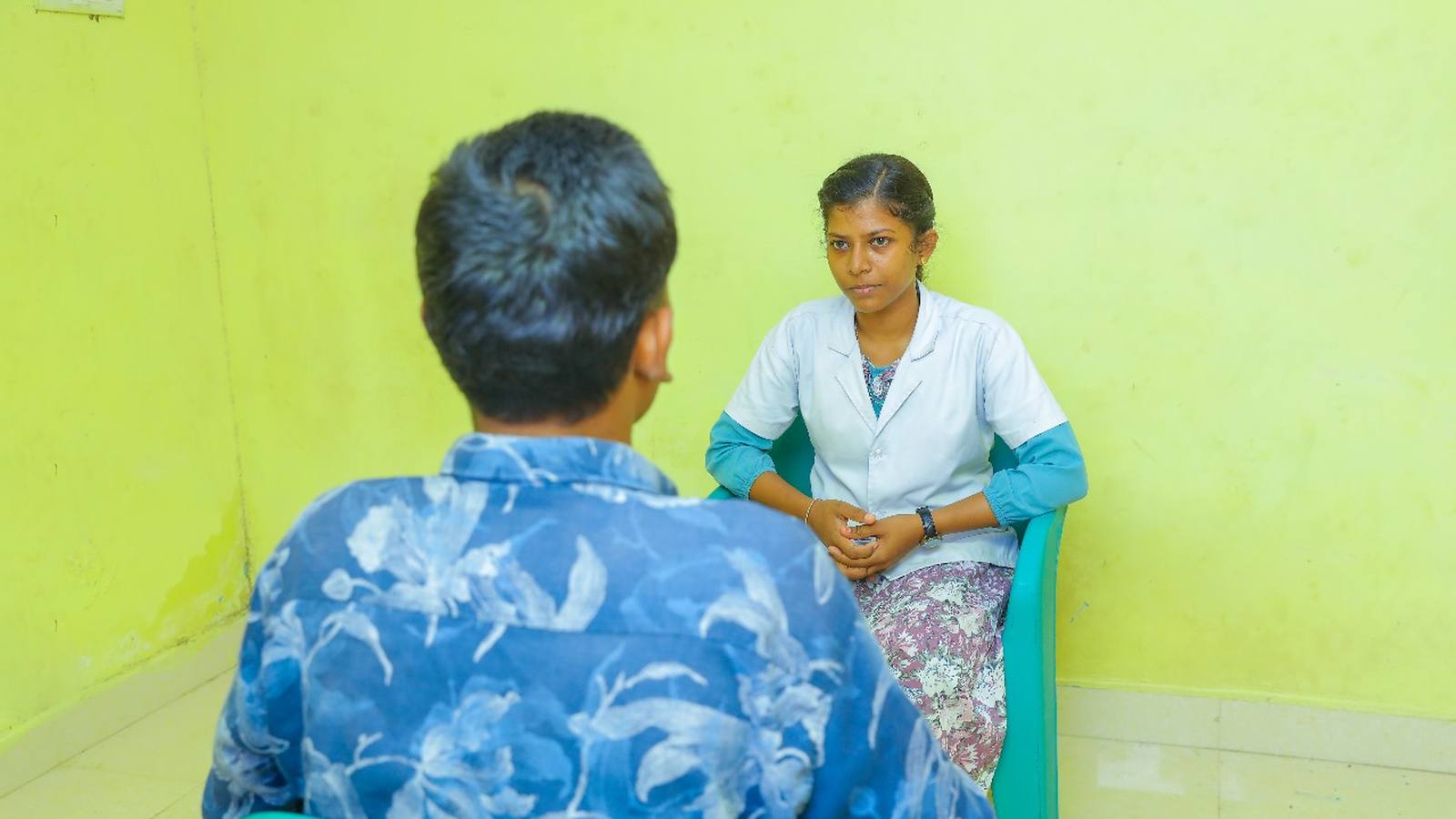
Long-stay residential care for addiction and for mental illness, somewhere safe, structured and supervised. The programme is written for the person — the dependence or the diagnosis, how long it has run, and what is waiting for them at home.
- One to six months residential, by need rather than by package
- A fixed daily routine, which is itself part of the treatment
- At least a year of aftercare after discharge

Living with a diagnosis, not inside it.
Depression, anxiety, bipolar disorder and schizophrenia take over a life long before anyone calls it a crisis. Residential mental health rehabilitation puts structure, psychiatric care and therapy in one place until ordinary days are possible again.
- Individual psychiatric assessment and treatment
- Cognitive behavioural therapy and psychotherapy
- Wellness activity and support groups

After the drinking stops.
Alcohol costs health, work and the trust of a family, and detox addresses only the first of those. Rehabilitation works on what the drinking was doing for the person, and on the situations that will test them through the first year.
- Medically supervised detox first
- Counselling and behavioural therapy daily
- Relapse prevention and structured aftercare
Opioids, cannabis, stimulants and tablets.
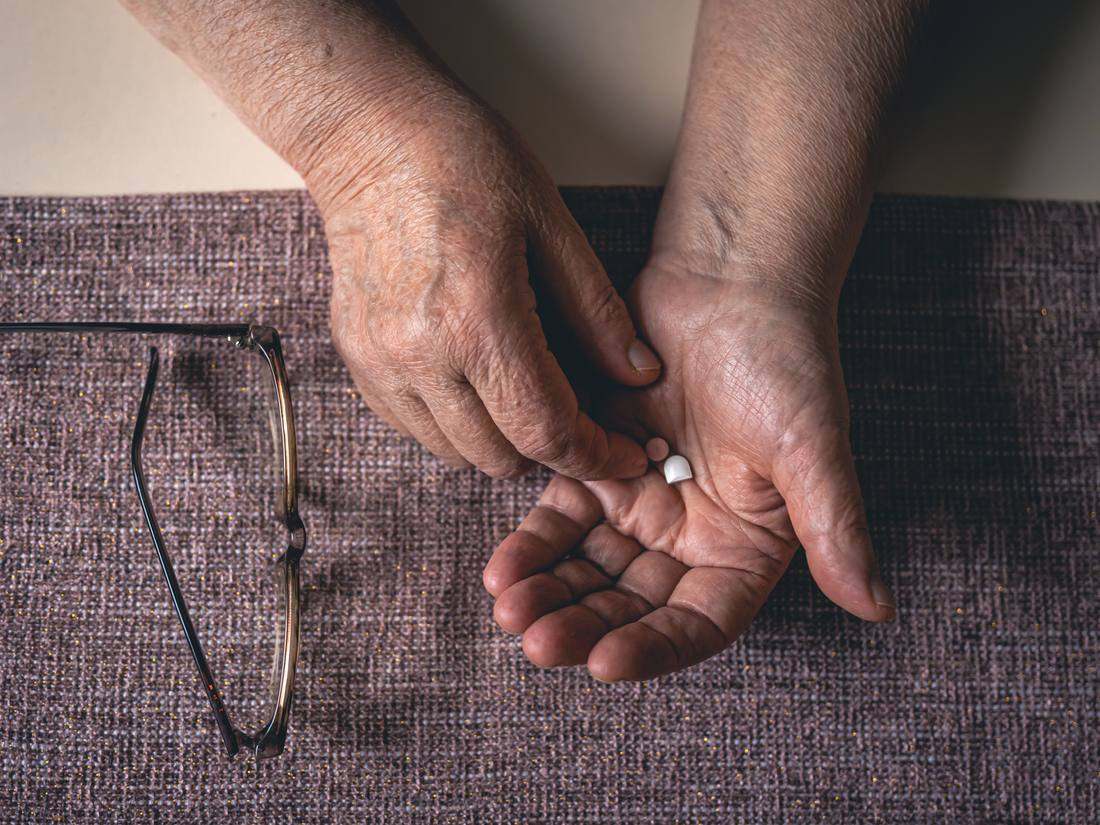
Whatever the substance — heroin, cannabis, methamphetamine, or prescription sedatives and painkillers — withdrawal is supervised, and what follows addresses why it started. Medical, psychological and therapeutic care inside one programme.
- Safe, supervised withdrawal
- Therapy for the causes underneath it
- Long-term support to prevent relapse

Nicotine is a dependence, not a habit.
Nicotine, smoked or chewed, is among the hardest dependencies to break precisely because it is legal, cheap and everywhere. Treatment combines replacement therapy with counselling and a quit plan built around the shape of the person’s day.
- Nicotine replacement therapy and medication
- Counselling and behavioural therapy for cravings
- A personalised quit plan with long-term support
Breaking the physical and the emotional.
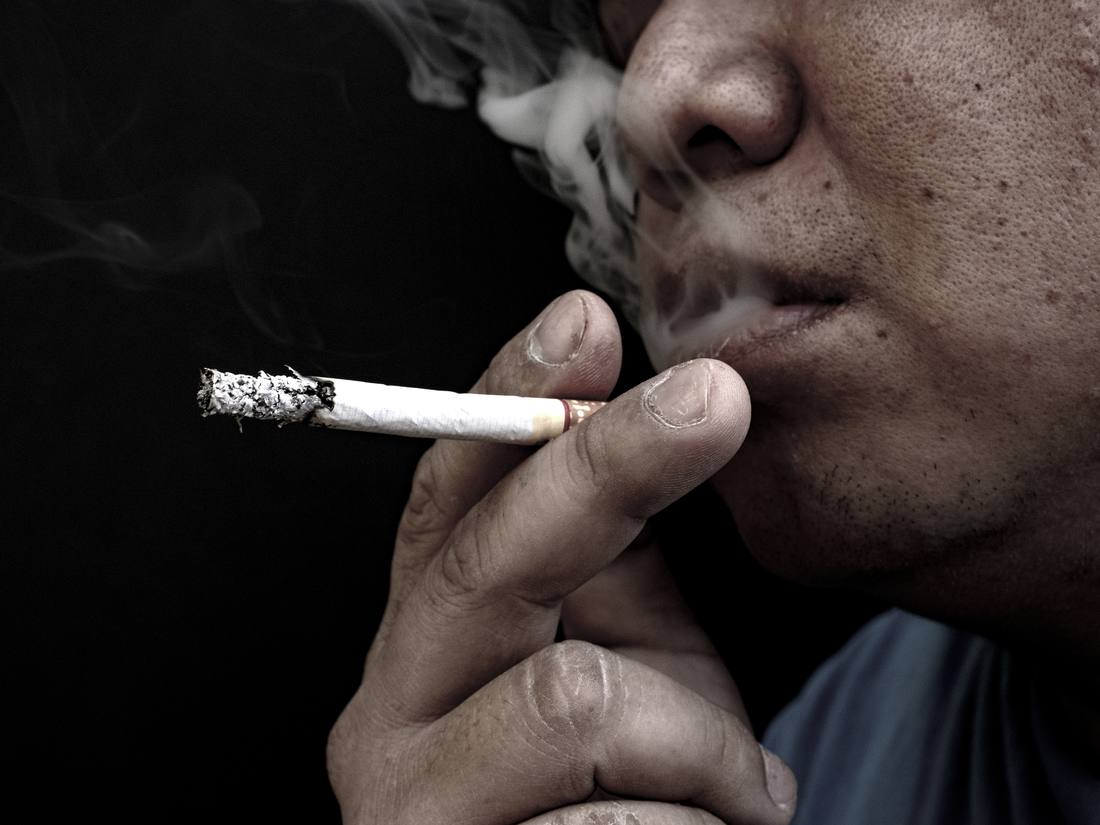
Smoking has two holds, the nicotine and the ritual, and the programme treats both: medical support through the withdrawal weeks, and therapy for the triggers, the company and the moments the cigarette used to fill.
- Medical support through the withdrawal weeks
- Therapy for emotional and behavioural triggers
- Lifestyle changes that make it last

Younger patients need different care.
Children and young teenagers with behavioural difficulty, substance use or mental illness need a nurturing setting rather than a ward. Therapy, counselling and educational support together, with the family in the room instead of in the corridor.
- Age-appropriate therapy and counselling
- The family involved in recovery, not informed of it
- Developmental and emotional support alongside school

Separate programmes, for good reason.
Men and women arrive in recovery carrying different pressures and leave facing different risks, so the residential programmes are run separately. Men work on societal pressure, work and relationships; women on self-esteem, safety, and what is waiting at home.
- Separate residential accommodation
- Men: work, money and rebuilding relationships
- Women: self-esteem, mental health and support for mothers