
De-Addiction Centre
Medically supervised detoxification and treatment for alcohol, drug, tobacco and behavioural addiction, with separate residential programmes for men and women.
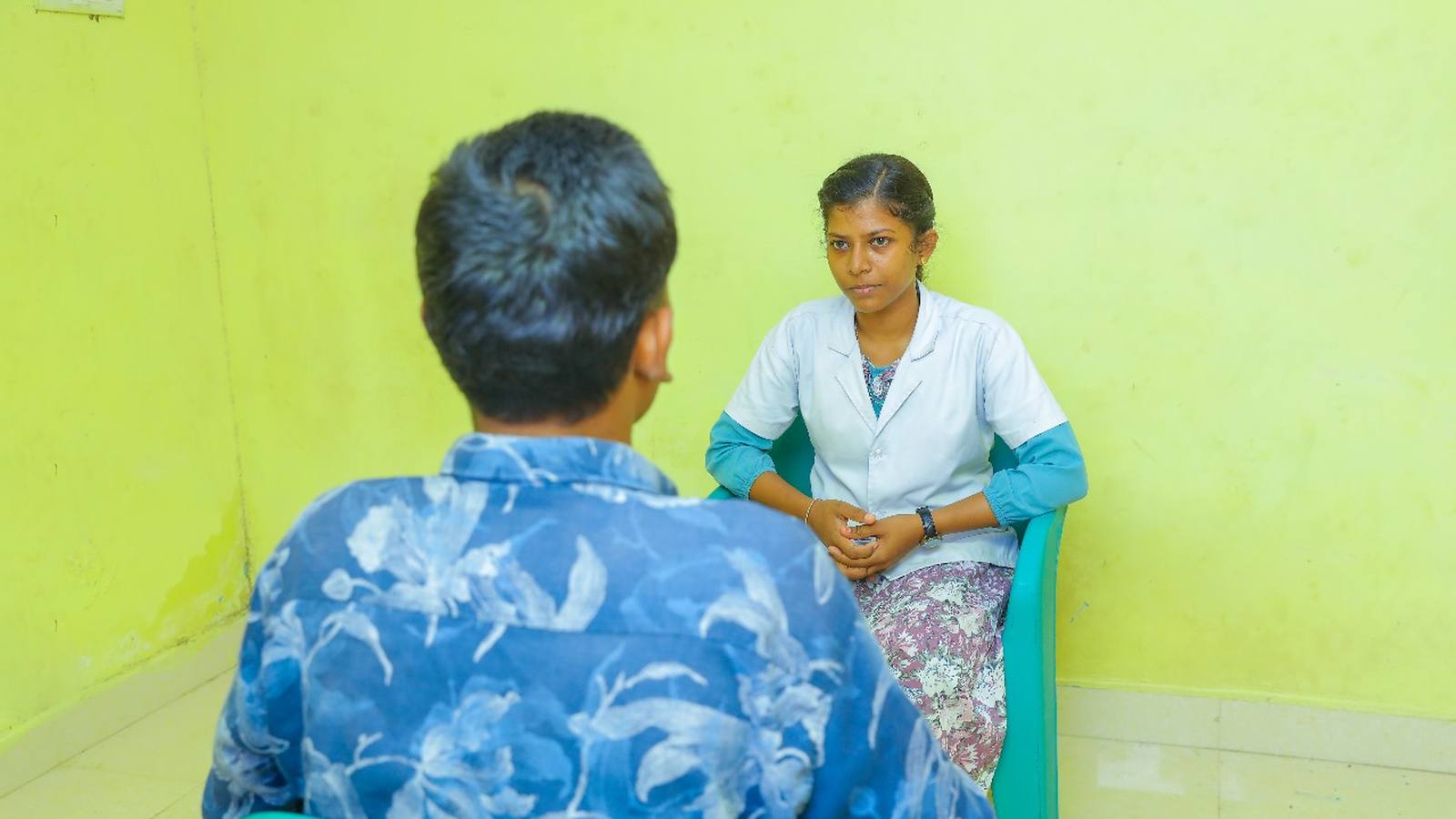
Every Kind of Dependence
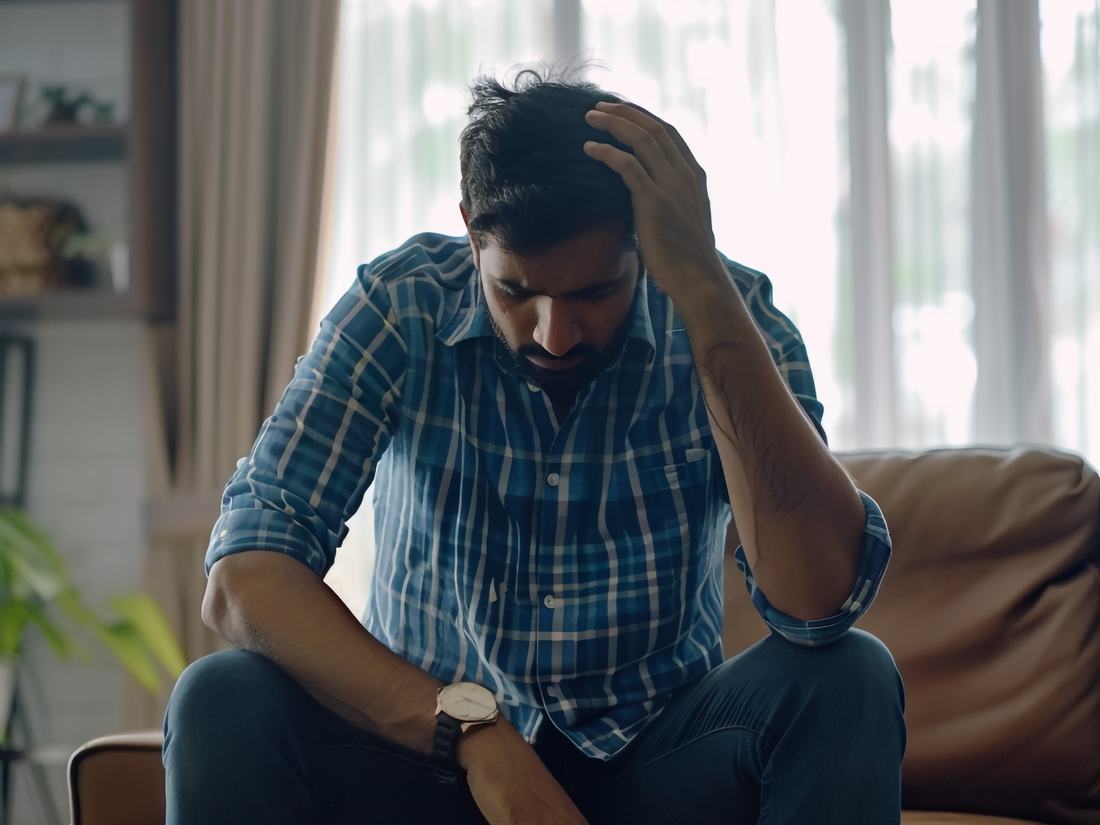
Breaking the hold of a substance.
Dependence is treated here as an illness, not a failure of character. Every admission starts with a medical and psychiatric assessment, and the plan that follows is written for the person in front of us — the substance, how long it has been used, what else is going on, and what support exists at home.
- Assessment before any treatment plan
- Medical detoxification where it is needed
- Counselling, group therapy and a year of aftercare
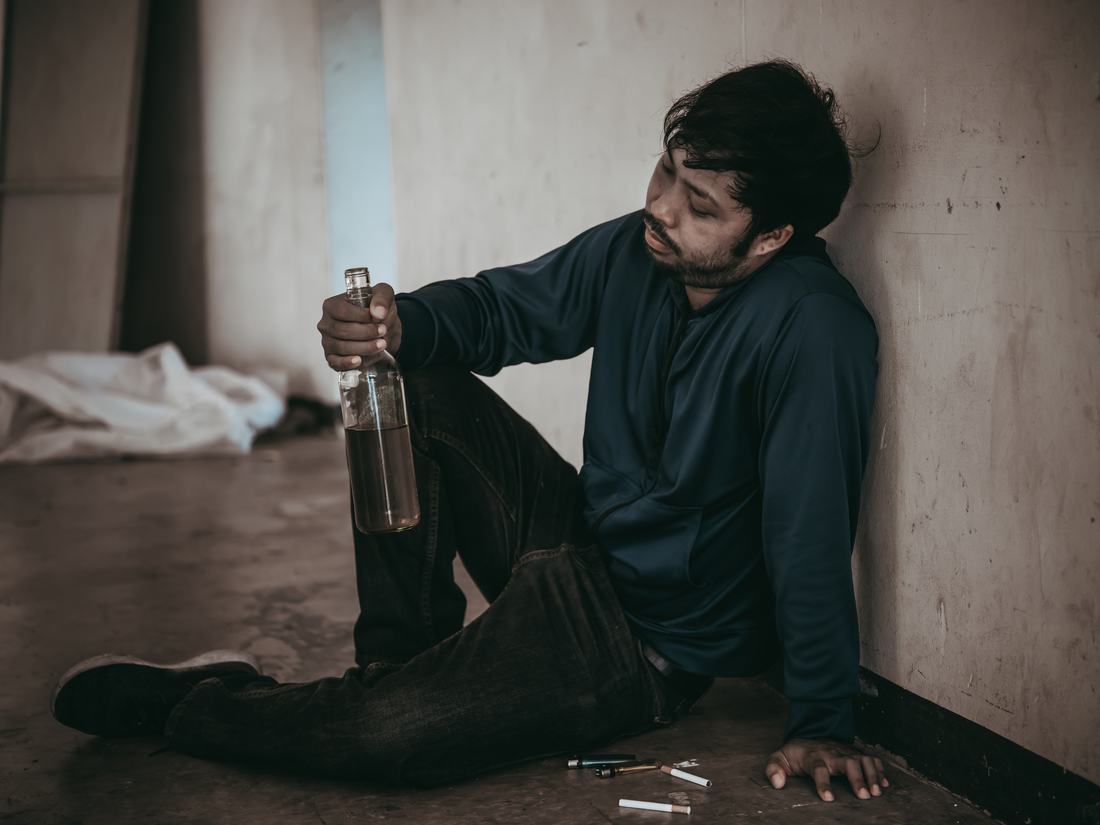
A programme built for men.
Men arrive carrying work pressure, debt, and a reputation they are trying to protect, and those are usually what the drinking or the drug use is managing. The men’s residential programme is run separately, and the group work is where most of the honest conversation happens.
- Separate residential accommodation
- Individual and group therapy daily
- Work, money and family relationships addressed directly
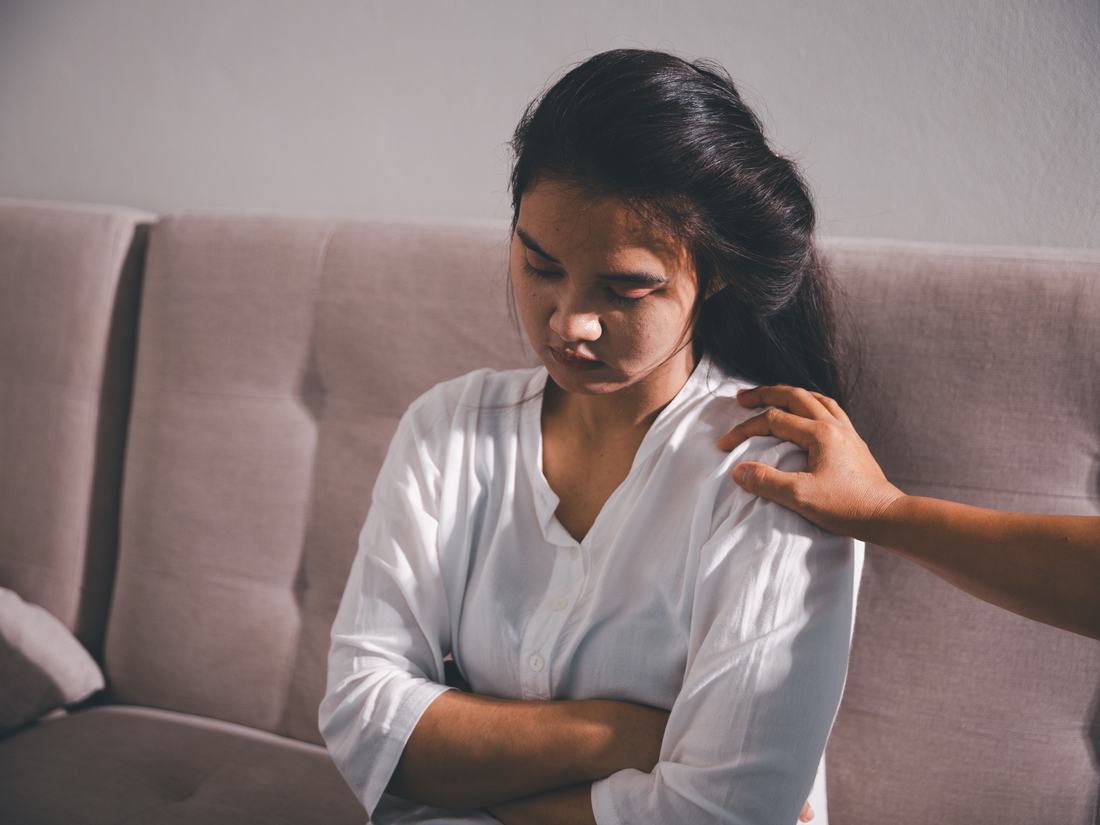
A programme built for women.
Women come to treatment later and with more to lose, often with children at home and with the dependence hidden for years. The women’s programme is run separately, with female staff, and it works on the shame and the isolation alongside the substance.
- Separate residential accommodation with female staff
- Support for mothers and carers
- Self-esteem, safety and mental health as part of treatment
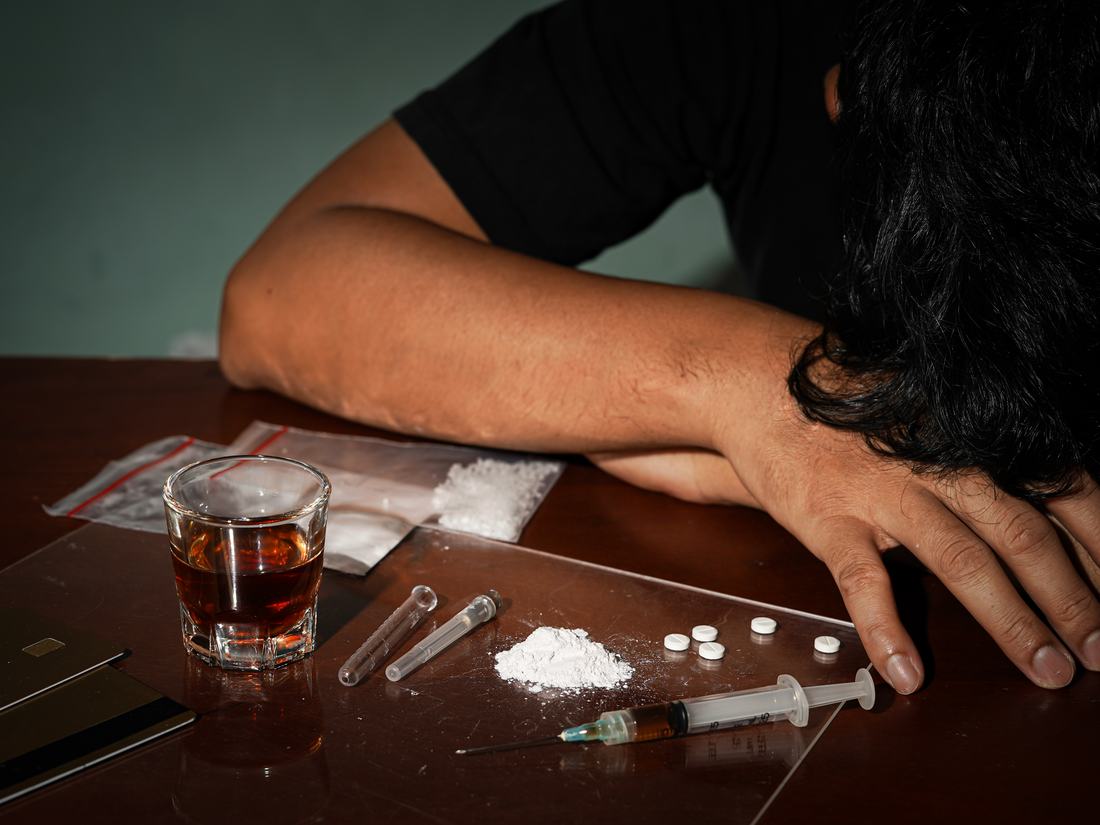
Drug dependence, treated medically.
Heroin, cannabis, methamphetamine, prescription sedatives and painkillers — each withdraws differently and each is managed under medical supervision with nursing cover at night. Detox is the first week or two; the work that keeps it is what follows.
- Medically supervised detoxification
- Treatment for any psychiatric illness alongside it
- Relapse prevention and long-term follow-up
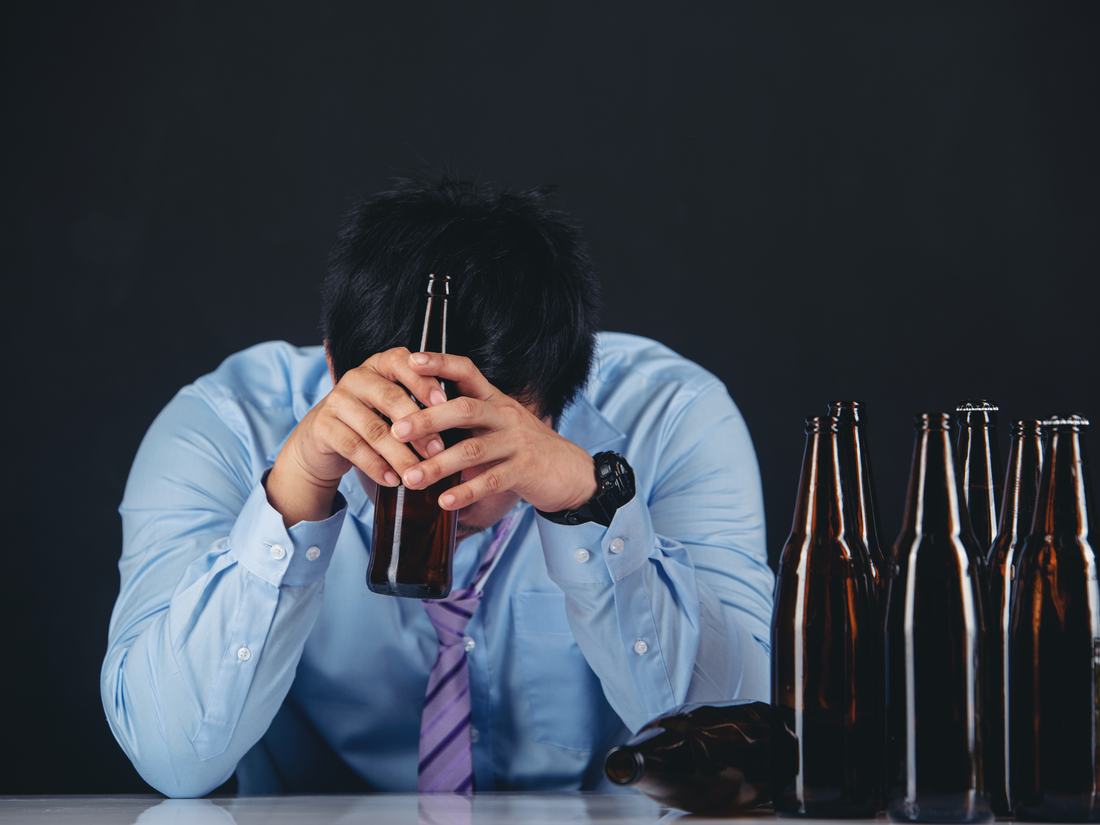
Alcohol, withdrawn safely.
Withdrawal from heavy, sustained drinking can cause seizures and delirium and is, in severe cases, life-threatening. That is why alcohol detox here is always medical, never attempted on willpower, and why we advise strongly against stopping alone at home.
- Supervised detox with medication and monitoring
- Nutrition and physical health restored at the same time
- Family counselling, because relapse is usually triggered at home
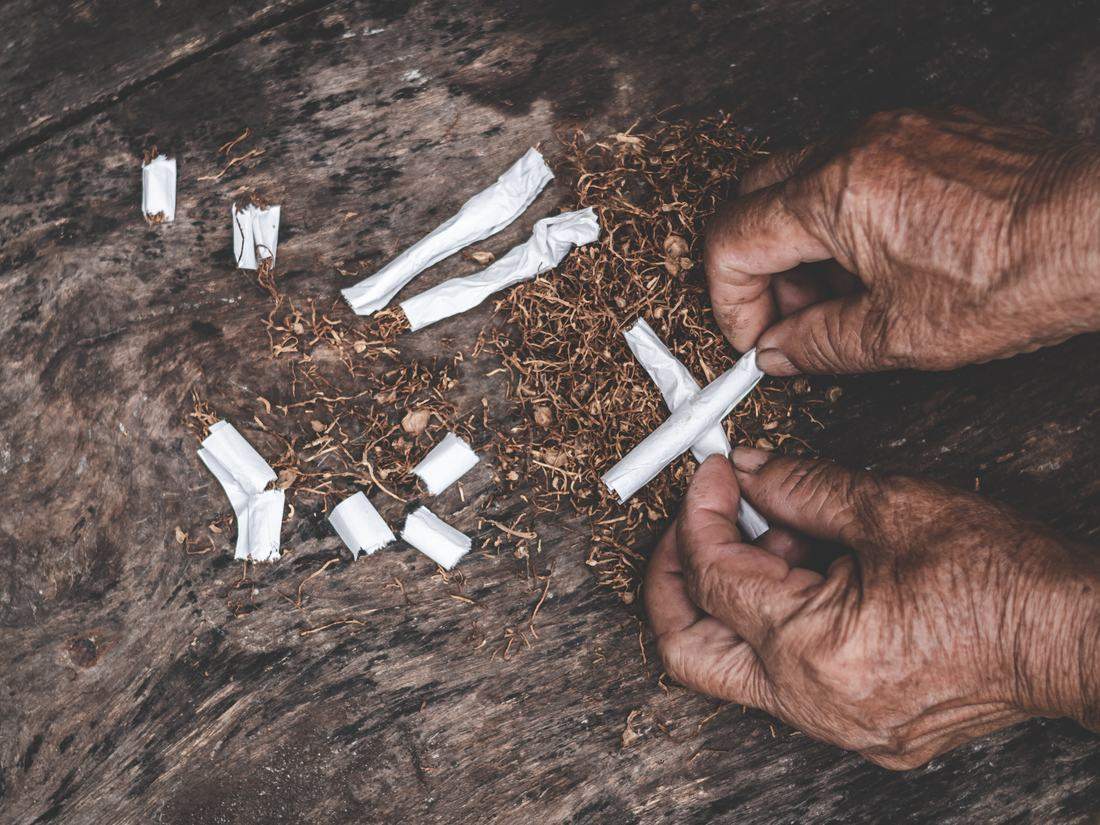
Tobacco, and the habit under it.
Chewing tobacco and gutkha are treated with nicotine replacement where it is appropriate, combined with behavioural therapy for the cravings and the triggers. Most people have stopped before and started again; the plan is built around what went wrong last time.
- Personalised quit plan, not a fixed course
- Nicotine replacement where it is clinically useful
- Behavioural therapy for cravings and triggers
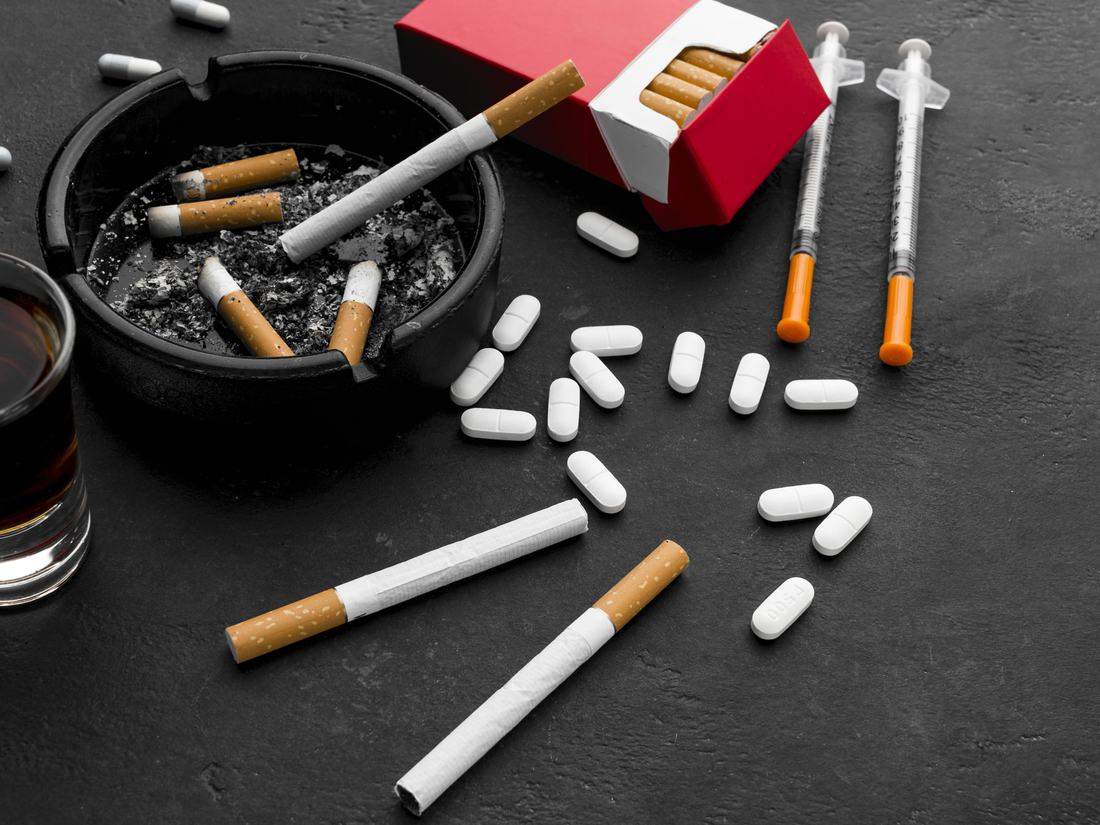
Stopping smoking, for good.
Quitting is rarely a single decision. We combine medical support with counselling, breathing and relaxation practice, and group sessions with others at the same stage, so that the first difficult fortnight is not faced alone.
- Medical support through the withdrawal weeks
- Breathing and stress-reduction practice daily
- Group support with others going through it

When the screen has taken over.
Compulsive internet, gaming and phone use is treated the way any other compulsion is: by rebuilding the day around something else. A structured routine, cognitive behavioural therapy for the compulsion, and the ordinary company of other people doing the same.
- A structured day that leaves no idle hours
- Cognitive behavioural therapy for compulsive use
- Habits for home, agreed with the family